

listicle
Wedding Reception Draping and Backdrop Ideas
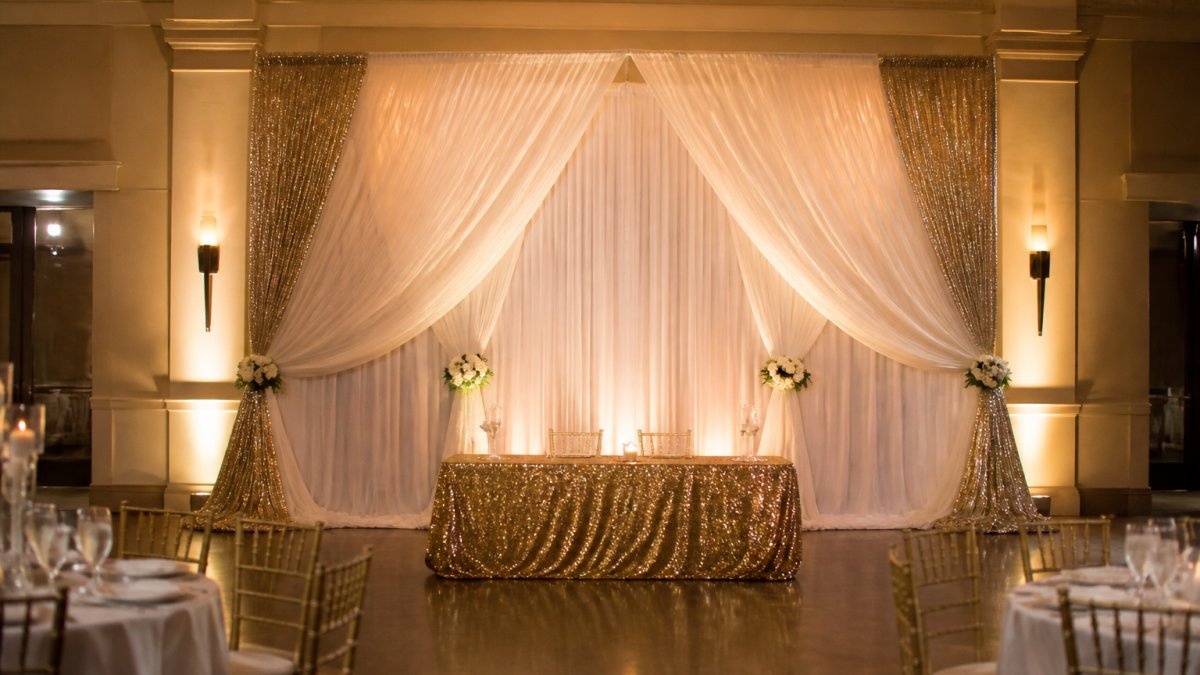
Table of Contents
- Wedding Reception Draping and Backdrop Ideas That Transform Your Space
- Wedding Backdrop Ideas for Every Reception Style
- Wedding Photo Booth Backdrop Ideas for Memorable Moments
- Wedding Backdrop Lighting to Enhance Elegance
- Fabric Selection and Installation Logistics
- Wedding Reception Photo Backdrop Design for Your Venue
- Bringing Your Vision to Life
- Frequently Asked Questions
Last Updated: October 19, 2026
Wedding Reception Draping and Backdrop Ideas That Transform Your Space
A well-designed wedding reception draping setup creates an elegant frame for your celebration and transforms an ordinary venue into a sophisticated backdrop for memories. From sheer fabric cascades to architectural installations, backdrop design choices influence everything from how photos appear to how guests experience the space itself.
The right backdrop approach depends on your venue's architecture, the mood you want to create, and how you plan to use the space. Whether you're working with a blank wall, a tent-inspired setting, or a venue with challenging features to conceal, thoughtful fabric selection and installation logistics make the difference between a rushed setup and a polished event.
At Couture & Decor Social Events LLC, we've worked with couples and corporate clients to understand how photo booth backdrop design impacts both the visual appeal and the functional flow of an event. The strategies covered here reflect what actually works in practice, not just what looks good in inspiration photos.
Wedding Backdrop Ideas for Every Reception Style
Different aesthetic preferences call for different approaches to fabric and structure. Your choice shapes not just the look of the space, but how guests interact with it.
Ceiling Draping and Tent-Inspired Designs
Draped ceiling installations create an enveloping, intimate atmosphere that transforms an entire room. This approach works particularly well in venues with high ceilings or industrial elements that need visual softening.
Tent-inspired ceiling draping typically uses sheer or semi-sheer fabrics gathered at a central point or arranged in soft waves across the expanse. The effect is ethereal when lit properly and creates a sense of enclosure without feeling claustrophobic. Layered fabric designs, combining sheer overlays with heavier panels, add depth and visual interest while controlling light.
The fabric swags and gathered drapes require careful planning for installation. Support points matter: you'll need secure anchor locations, whether that's existing ceiling fixtures, rented truss systems, or structural elements the venue can accommodate.
Ceiling installations also influence photography. The draped fabric acts as a light diffuser and creates a natural frame for overhead shots. Soft, even lighting works best with sheer fabrics, while layered or opaque materials may require additional uplighting to prevent dark shadows.
Wall Draping to Redefine Your Venue
Wall draping conceals undesirable architectural features, exposed brick, institutional paint, storage areas, while creating a cohesive visual backdrop. A blank wall becomes a canvas for your design aesthetic.
Two-panel setups are popular for creating symmetry and visual balance. Fabric swags between panels add movement and elegance. Sheer fabrics allow ambient light to pass through, while heavier materials provide light blocking and create a more defined frame.
Gathering techniques affect the final look. Tightly gathered fabric creates dramatic, sculptural folds. Loosely arranged panels produce a softer, more romantic effect. The quantity of fabric matters: a wall that appears sparse when laid flat will look full and luxurious once gathered and installed.
Color palette choices influence the entire room's mood. Neutral tones (ivory, champagne, gray) work as versatile backdrops that complement any decor style. Jewel tones or pastels create stronger visual statements and can tie into your overall event theme.
Ceremony and Reception Canopies
A canopy structure, whether a rented frame, an iron structure, or a natural gazebo, provides both a focal point and a defined space for key moments. Canopy draping draws attention to important areas like the head table or a photo moment.
Fabric selection for canopies balances aesthetics with function. Sheer fabrics create an ethereal frame without blocking sightlines. Heavier materials provide more dramatic visual impact but may obscure the view from certain angles. Layered designs combine both effects.
Architectural draping on a canopy frame creates visual interest through the interplay of fabric and structure. Swags between support points, diagonal panels, and gathered corners all contribute to the final composition. The installation must account for wind, especially in outdoor settings, and for the weight distribution across the frame.
Wedding Photo Booth Backdrop Ideas for Memorable Moments
Your photo booth backdrop is more than decoration, it's the frame for guest interactions and the visual foundation of your event photography.
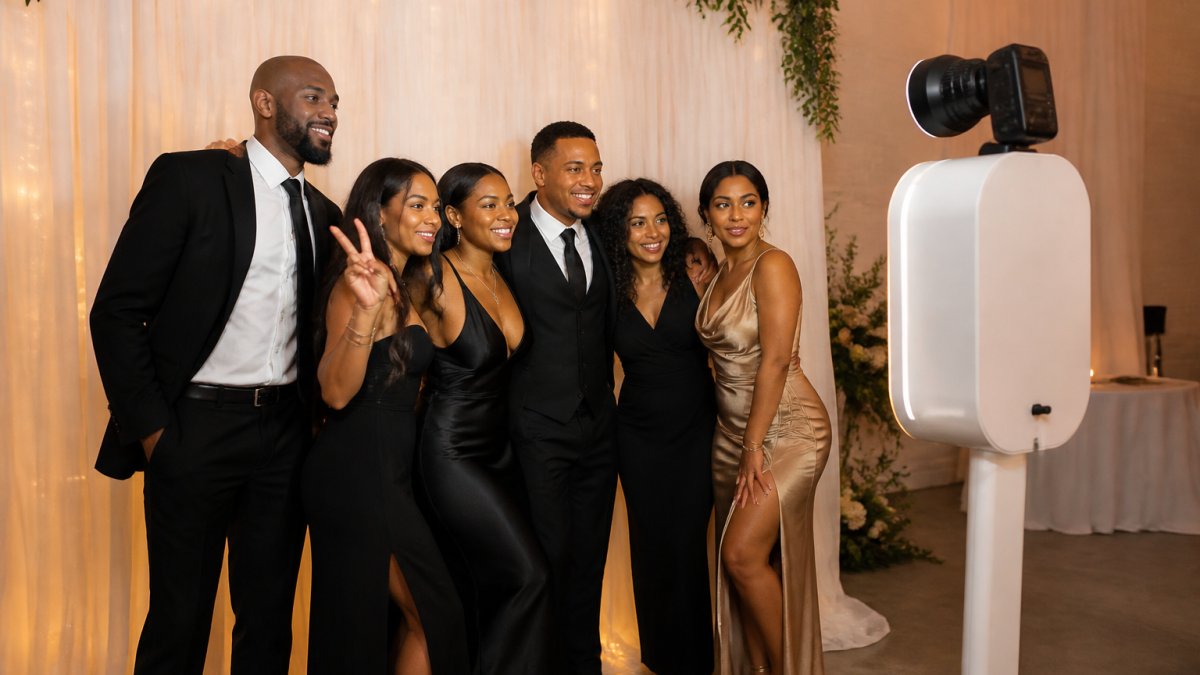
A dedicated photo booth backdrop separates the photo moment from the rest of the reception and creates a intentional, polished setting.
The backdrop should complement your venue's color scheme and overall design aesthetic. A romantic, elegant event calls for soft fabrics and neutral tones.
Lighting directly impacts how your photo booth backdrop appears in images. Soft, even illumination prevents harsh shadows and unflattering contrasts. Backlighting creates a subtle glow and separates subjects from the backdrop.
The backdrop's scale matters for photo composition. A backdrop that's too small feels cramped; one that's too large can overwhelm guests and create awkward framing. The ideal size frames the subject comfortably while leaving enough context to show the backdrop's design.
Wedding Backdrop Lighting to Enhance Elegance
Lighting transforms fabric from flat material into a dynamic visual element. The interplay of light and shadow, color temperature, and intensity shapes how your photo booth backdrop appears in photos and how the space feels to guests.
Uplighting, lights placed at ground level pointing upward, creates drama and emphasizes the texture of gathered or layered fabrics. Warm color temperatures (amber, gold) evoke romance and intimacy. Cool tones (blue, lavender) create modern, sophisticated moods.
Backlighting, lights positioned behind or within the fabric, creates a glowing effect and separates the backdrop from the wall or background.
Accent lighting highlights specific design elements. Spotlights can emphasize texture or create interesting shadow patterns on the fabric.
Color temperature consistency matters. Mixing warm and cool lighting creates visual confusion and can cast unflattering skin tones in photos. Choose a dominant color temperature and use accent colors intentionally to create specific effects.
The intensity of lighting should balance drama with functionality. Overly bright lighting washes out fabric texture and creates harsh shadows. Insufficient lighting makes the backdrop appear dull and makes photography difficult.
Fabric Selection and Installation Logistics
The practical side of photo booth backdrop design determines whether your vision translates into reality and whether the installation holds up throughout the event.
Choosing the Right Fabrics
Fabric choice affects both aesthetics and function. Polyester fabrics are durable, affordable, and come in many colors. They resist wrinkles and hold their appearance well throughout an event. Sheer polyester creates a romantic, ethereal effect while still providing some structure.
Natural fabrics like linen or cotton offer a more textured, organic appearance but require more careful handling and may wrinkle more noticeably.
The weight of fabric influences how it drapes and gathers. Lightweight fabrics create soft, flowing effects and work well for sheer overlays. Heavier materials hold their shape more deliberately and create more sculptural folds.
Sequins and beaded fabrics add glamour and catch light dynamically. These materials require careful handling during installation and storage. They're best used as accents rather than primary backdrops, as the visual intensity can become overwhelming.
Fabric quantity depends on your design approach. A simple two-panel setup requires less yardage than a fully draped ceiling or a canopy with multiple gathering points. Understanding the space dimensions and your design concept helps determine how much fabric to source.
Planning Installation and Setup
Installation logistics begin before the event day. A site visit to understand the venue's structural elements, anchor points, ceiling height, and wall conditions informs your installation plan.
Support systems vary by venue. Existing ceiling fixtures can anchor ceiling draping if they're rated for the weight. Rented truss systems provide flexible anchor points for venues without built-in infrastructure. Wall-mounted frames or tension systems secure wall draping without damaging surfaces.
The installation timeline affects your overall event schedule. A simple two-panel backdrop setup might take 30-45 minutes. A full ceiling installation or complex canopy draping requires significantly more time and additional hands.
Safety considerations include weight distribution, secure fastening, and clearance. Fabric shouldn't obstruct exits, emergency lighting, or sightlines to important areas. Gathering points must be secure and regularly checked, especially if weather or guest movement creates stress on the installation.
Setup and teardown processes should be documented. Clear instructions for your installation team, or for you if you're handling setup, prevent mistakes and ensure consistency. Labeling fabric sections, documenting anchor points, and photographing the setup make future installations smoother.
| Design Element | Key Consideration | Practical Impact |
|---|---|---|
| Sheer fabric | Allows light through, ethereal effect | Better for photo booth areas with mixed lighting |
| Layered fabric | Adds depth and texture | Requires more yardage and installation time |
| Ceiling draping | Transforms entire room atmosphere | Needs secure anchor points and careful weight planning |
| Wall draping | Conceals unwanted features | Requires flat, clean wall surface for best results |
| Canopy framing | Creates focal point and defined space | Impacts sightlines and guest flow around the space |
| Uplighting | Emphasizes texture and creates drama | Requires electrical access and lighting equipment |
Wedding Reception Photo Backdrop Design for Your Venue
Your specific venue shapes what's possible and what makes sense for your photo booth. A historic venue with character calls for a different approach than a modern event space.
Blank walls offer a clean canvas but require intentional design so the photo booth backdrop doesn't feel sparse. Layered fabrics or a combination of colors create visual interest.
Venues with existing architectural features, exposed brick, ornate molding, interesting ceiling details, might benefit from selective draping that complements rather than completely conceals.
Outdoor venues and tent settings have different considerations for photo booths. Wind affects how fabric hangs and moves, requiring secure fastening and sometimes heavier materials. Natural light changes throughout the evening, so your lighting plan must adapt to sunset and evening conditions.
The flow of the reception influences photo booth backdrop placement. A photo booth backdrop in a designated area encourages guests to gather and interact.
Venue restrictions matter. Some venues limit what can be installed on walls or ceilings. Understanding these constraints before finalizing your photo booth backdrop design prevents last-minute changes.
Bringing Your Vision to Life
Moving from inspiration to execution requires clear communication and realistic planning. Inspiration photos are valuable for establishing aesthetic direction, but they don't always account for your specific venue's dimensions, lighting, or structural capabilities.
Creating a detailed design plan, including fabric quantities, color specifications, installation timeline, and contingency approaches, translates your vision into actionable steps. Reference photos help your installation team understand your intent, but measurements and technical specifications ensure accuracy.
A site visit before the event allows for final adjustments. Seeing the space in actual lighting conditions, understanding traffic flow, and identifying any unexpected challenges gives you time to problem-solve rather than improvise on event day.
The goal is a backdrop that enhances your celebration, photographs beautifully, and creates the elegant atmosphere you envisioned. Thoughtful fabric selection, realistic installation planning, and attention to lighting transform your venue into a sophisticated setting that reflects your event's aesthetic.
Frequently Asked Questions
What fabrics work best for wedding reception draping and backdrop designs?
Polyester fabrics are popular for their durability and versatility, while sheer fabrics create ethereal, romantic effects. French toile and sequined fabrics add luxurious detail. For elegant looks, consider layered fabric designs that create depth and dimension. Choose fabrics that complement your color palette and venue lighting. Heavier fabrics block light effectively, while lighter options allow glow-through effects that enhance photography.
How can wedding backdrop lighting transform your reception space?
Strategic lighting creates dramatic effects on draped backdrops. Uplighting behind sheer fabrics produces ethereal glows, while spotlights highlight architectural draping details. Soft ambient lighting enhances romantic settings, while colored lighting reinforces your color palette. Lighting also improves photo booth backdrop visibility and guest experience. Consider how natural venue lighting interacts with your draping before finalizing your design.
What are unique wedding photo booth backdrop ideas beyond traditional setups?
Frame backdrops with rustic branches, iron structures, or wedding arches for dimensional interest. Layer different fabric textures and colors to create showstopping effects. Use gathered fabric swags for elegant entrances, or create rippled effects with strategic fabric placement. Incorporate your wedding colors through fabric selection and layering. Two-panel setups allow flexibility in smaller spaces while maintaining visual impact for photos.
How do you plan a wedding reception backdrop that fits your specific venue?
Start by measuring your venue's walls, ceilings, and available space. Identify blank walls suitable for draping, and assess ceiling height for tent-inspired installations. Consider guest flow and sightlines, backdrops should enhance without obstructing movement. Evaluate existing architectural features you want to highlight or conceal. Work with professionals to assess installation logistics, safety requirements, and whether your venue permits permanent or temporary installations.
Frequently asked questions
What fabrics work best for wedding reception draping and backdrop designs?
Polyester fabrics are popular for their durability and versatility, while sheer fabrics create ethereal, romantic effects. French toile and sequined fabrics add luxurious detail. For elegant looks, consider layered fabric designs that create depth and dimension. Choose fabrics that complement your color palette and venue lighting. Heavier fabrics block light effectively, while lighter options allow glow-through effects that enhance photography.
How can wedding backdrop lighting transform your reception space?
Strategic lighting creates dramatic effects on draped backdrops. Uplighting behind sheer fabrics produces ethereal glows, while spotlights highlight architectural draping details. Soft ambient lighting enhances romantic settings, while colored lighting reinforces your color palette. Lighting also improves photo booth backdrop visibility and guest experience. Consider how natural venue lighting interacts with your draping before finalizing your design.
What are unique wedding photo booth backdrop ideas beyond traditional setups?
Frame backdrops with rustic branches, iron structures, or wedding arches for dimensional interest. Layer different fabric textures and colors to create showstopping effects. Use gathered fabric swags for elegant entrances, or create rippled effects with strategic fabric placement. Incorporate your wedding colors through fabric selection and layering. Two-panel setups allow flexibility in smaller spaces while maintaining visual impact for photos.
How do you plan a wedding reception backdrop that fits your specific venue?
Start by measuring your venue's walls, ceilings, and available space. Identify blank walls suitable for draping, and assess ceiling height for tent-inspired installations. Consider guest flow and sightlines—backdrops should enhance without obstructing movement. Evaluate existing architectural features you want to highlight or conceal. Work with professionals to assess installation logistics, safety requirements, and whether your venue permits permanent or temporary installations.