

how-to
Event Lighting and Draping Rental Prices: 2026 Guide
Table of Contents
- Event Lighting and Draping Rental Prices: What You're Paying For
- Pipe and Drape Rental Cost Breakdown
- Wedding Lighting Rental Cost: Options and Factors
- String Light Rental for Weddings and Events
- How to Get a Pipe and Drape Rental Quote
- Key Factors That Influence Your Final Cost
- Comparing Rental Quotes and Controlling Costs
- Frequently Asked Questions
Last Updated: October 23, 2026
Event Lighting and Draping Rental Prices: What You're Paying For
Understanding event lighting and draping rental prices requires looking beyond the headline figure. The cost depends on several interconnected factors: the size of your space, the complexity of the installation, the duration of the rental, and the specific design elements you choose. Most venues and events require a combination of pipe and drape systems, lighting fixtures, and installation labor, each with its own pricing structure.
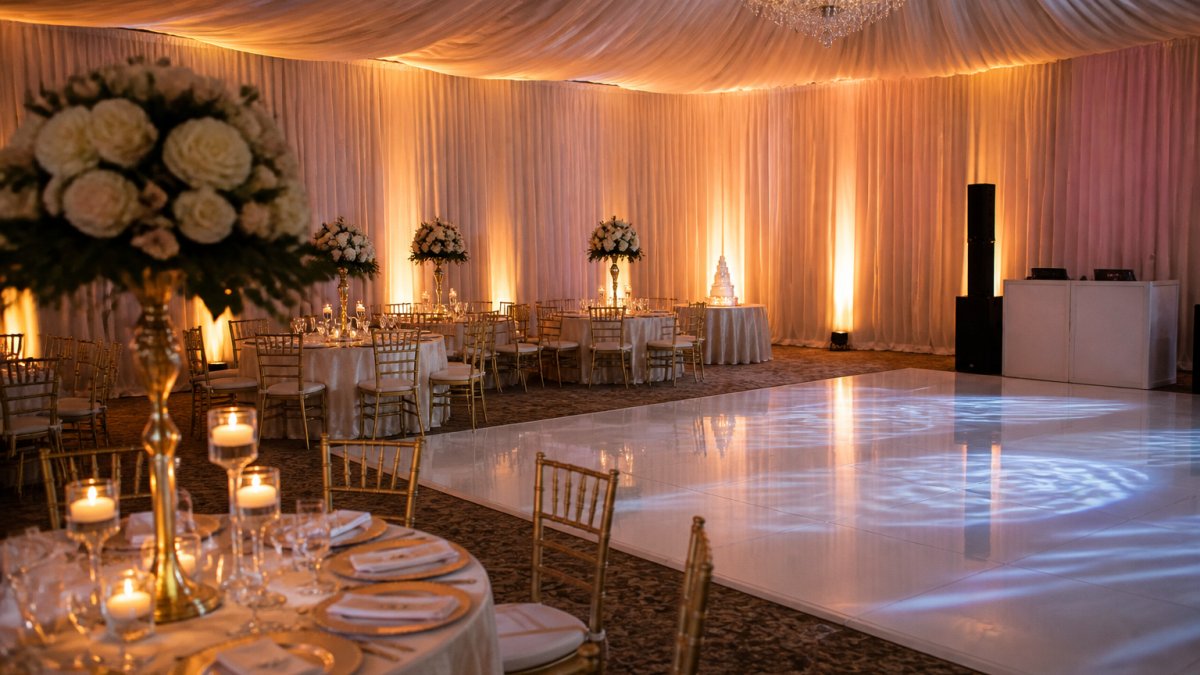
When planning an event, rental pricing typically reflects the labor, materials, and logistics involved. A basic setup differs dramatically from a fully designed space with custom lighting, multiple fabric colors, and rigging requirements. The rental market for event experiences continues to expand, with businesses recognizing the value of professional presentation at celebrations and corporate functions.
Pipe and Drape Rental Cost Breakdown
Pipe and drape is priced as a system, not a single product, and the quote usually breaks into four cost buckets: framework, fabric, labor, and logistics. Understanding how each bucket is billed is the difference between comparing quotes accurately and comparing headline numbers that hide different scopes.
Framework (pipe, bases, crossbars). Rental houses typically quote the uprights, horizontal crossbars, and weighted bases together as a per-linear-foot rate for a standard height. An 8-foot upright is the most common height for backdrops and room dividers; 10-foot and 12-foot uprights carry a higher rate because they need heavier bases and more bracing. A typical quote structure looks like this:
| Line item | How it is usually billed | What to confirm |
|---|---|---|
| Uprights and crossbars | Per linear foot, by height | Whether bases are included or extra |
| Base plates / weights | Per base, or bundled | Weight rating and floor protection |
| Fabric panels | Per panel or per linear foot | Fabric type, width, and fullness |
| Labor | Hourly, per technician, or flat install fee | Setup only vs. setup and strike |
| Delivery | Flat fee or mileage-based | Round trip and after-hours surcharge |
Fabric. Fabric is often the largest variable. Standard polyester or voile panels are the budget tier; heavier fabrics such as velvet, satin, and specialty sheers cost more per panel and may require more panels to achieve the same coverage because of how they hang. Fullness matters: a flat panel stretched tight uses less fabric than a gathered panel, but gathered panels read as more finished.
Labor. Installation labor is frequently the line item clients underestimate. A single backdrop wall can often be set by one or two technicians in under an hour; a ballroom perimeter with corners, door frames, and ceiling-height draping can take a crew most of a day.
Logistics. Delivery and pickup are usually separate from labor. Local deliveries are often a flat fee; venues outside a service radius add mileage. After-hours load-in, freight elevator scheduling, and union venue labor rules can each add cost.
A practical way to sanity-check a quote: multiply the linear feet by the per-foot rate, add the panel count times the per-panel rate, add technician hours times the hourly rate, then add delivery. If the total is far below that math, something is excluded; if it is far above, ask what the extra covers.
Wedding Lighting Rental Cost: Options and Factors
Wedding lighting transforms a venue from ordinary to extraordinary, and rental options range from simple uplighting to elaborate custom designs. The cost depends on the type and quantity of fixtures, the complexity of the control system, and the installation requirements.
Common wedding lighting options include:
Uplighting directs colored light onto walls or architectural features, typically using LED fixtures positioned at ground level. These create ambient color and dimension without additional structural requirements.
Pin spots are focused beams that highlight specific elements, centerpieces, cake tables, or the head table. They require precise positioning and individual control.
Chandeliers and pendant fixtures hang from the ceiling and serve both functional and decorative purposes. Rental pricing reflects the fixture size, material, and the rigging needed to suspend them safely.
Ambient lighting packages combine multiple fixture types to create an overall design. These often include uplighting, accent lighting, and ambient fill to balance the space.
Lighting rental costs increase with the number of fixtures, the duration of rental, and the complexity of programming. A wedding requiring 20 uplights, 10 pin spots, and a custom lighting design costs significantly more than a simple uplighting package. Additionally, if your venue lacks adequate power outlets or rigging points, rental companies may charge extra for electrical work or additional structural support.
String Light Rental for Weddings and Events
String lights, also called bistro lights, café lights, or market lights, create an intimate, festive atmosphere and work well for outdoor and indoor venues. These rental options have become increasingly popular because they add visual interest without requiring complex installation in many cases.
String light rentals typically charge based on the linear footage of cable and the number of bulbs. A basic setup might span 50 to 100 linear feet, while larger installations cover 200 feet or more. The fixture type matters: Edison-style bulbs cost more than standard incandescent or LED options, and some venues request specialty bulbs for aesthetic reasons.
Installation complexity affects pricing. If your venue has existing anchor points, trees, posts, or building fixtures, installation is straightforward. If rigging is required to create anchor points, or if the installation needs to span a large open area, labor costs increase. Wind conditions, weather protection, and electrical access also influence the final quote.
Many event professionals recommend string lights as a cost-effective way to enhance outdoor spaces and create ambiance without the expense of a full pipe and drape system. They work particularly well for garden weddings, backyard celebrations, and corporate outdoor events.
How to Get a Pipe and Drape Rental Quote
Requesting a detailed quote ensures you understand what's included and can compare options accurately. The process begins with providing rental companies specific information about your event.
Start by documenting your venue dimensions. Measure the linear footage you need to cover, note the ceiling height, and identify any architectural features that affect installation. Specify your event date, setup time, and breakdown time, rental companies often charge differently for same-day versus multi-day rentals.
Describe your design vision. Include the colors, fabric types, and lighting effects you want. If you're uncertain, rental professionals can suggest options based on your venue type and event style. Provide details about any special requirements: outdoor installation, rigging from ceilings, or integration with other rentals.
Ask the rental company to itemize the quote. You should see separate line items for pipe and drape materials, fabric, lighting fixtures, installation labor, delivery, and any additional fees. Request clarification on what's included in labor, does it cover setup only, or both setup and breakdown?
Confirm the timeline. Ask when the rental company arrives, how long installation takes, and when they return for breakdown. Understand the cancellation policy and any weather-related contingencies. Get the quote in writing so you have documentation of what was quoted and when.
Key Factors That Influence Your Final Cost
Most published pricing covers draping or lighting in isolation. In practice, the two are quoted together because they share labor, rigging, and power, and that shared infrastructure is where budgets move.
1. Ceiling height and rigging rules. Draping a ceiling or hanging fixtures requires attachment points. Venues with engineered rigging points and a house rigger make installation faster and cheaper.
2. Access and load-in. Freight elevator size, door widths, stairs, and load-in windows all affect labor hours.
3. Power availability. Uplighting and accent fixtures need circuits. Venues with ample dedicated circuits near the install area reduce cabling labor; older venues may require running cable, using distro, or renting a generator for outdoor setups.
4. Layout complexity. A single flat backdrop wall is the simplest configuration. Corners, door frames, columns, and curved runs add labor because each transition needs custom fitting.
5. Rental duration. Single-day rentals are the baseline.
6. Combined design scope. When lighting and draping are designed together, the lighting plan often determines where drape seams and panel breaks fall, and the drape layout determines where fixtures can be mounted.
How the factors combine. A small backdrop wall in a venue with rigging points and good access sits at the low end of the range. A ballroom perimeter with ceiling draping, programmed uplighting, and a tight load-in window sits at the high end, not because any single line item is unusual but because labor, rigging, and power all move together. The most useful step is to ask each vendor to price the same scope in the same units so the comparison reflects the venue's real constraints rather than a generic package.
Comparing Rental Quotes and Controlling Costs
When you receive multiple quotes, comparing them directly requires understanding what each includes. A lower quote might exclude labor, delivery, or specific elements that a higher quote covers, so always compare apples to apples.
Create a comparison table listing each rental company's offerings. Include the pipe and drape linear footage, fabric type and color, lighting fixtures and quantity, labor hours, delivery and setup, and any additional services. Note any exclusions or optional add-ons.
Ask each rental company about package options. Many offer tiered pricing, a basic package with essential elements, a standard package with more options, and a premium package with custom design and advanced features.
| Factor | Budget-Conscious Approach | Mid-Range Approach | Premium Approach |
|---|---|---|---|
| Pipe and Drape | Basic white or black | Two-color combination | Custom colors and specialty fabrics |
| Lighting | Uplighting only | Uplighting plus pin spots | Full design with gobos and effects |
| Installation | Standard setup | Enhanced rigging | Custom structural solutions |
| Customization | Preset options | Some customization | Fully custom design |
Negotiate on specific elements. If a rental company quotes high on labor, ask whether you can reduce setup time by simplifying the design.
Request references or portfolio examples from rental companies. Seeing how they've executed similar events helps you assess whether their pricing reflects quality and experience.
Document all agreements in writing. Confirm the quote details, payment terms, cancellation policy, and any contingencies. Having a signed agreement protects both you and the rental company and prevents misunderstandings about scope and cost.
Event lighting and draping rentals represent a significant portion of an event budget, but the investment creates the visual foundation for memorable celebrations.
Frequently Asked Questions
What factors affect event lighting and draping rental prices?
Event lighting and draping rental prices depend on several variables: the amount of linear footage needed, fabric type and color selection, lighting fixtures (chandeliers, pendant lights, lanterns), installation complexity, venue size, rental duration, and delivery distance. Seasonal demand, setup labor, rigging requirements, and power infrastructure also influence the final quote. Venues with high ceilings or complex layouts typically cost more due to installation challenges.
What is usually included in a pipe and drape rental?
A pipe and drape rental kit typically includes the metal frame structure, fabric panels in your chosen color, and basic hardware for assembly. Some rental packages include delivery and setup; others charge separately. Check whether your quote covers installation labor, takedown, damage waiver, and return shipping. Premium packages may include custom lighting, ceiling draping options, or specialty fabrics. Always confirm what's included before signing a rental agreement.
How much does it cost to rent string lights for a wedding?
String light rental for weddings varies based on the length of string needed, bulb type (LED, Edison, bistro), and whether you want professional installation. Costs depend on your venue size, ceiling height, and outdoor versus indoor setup. Additional factors include power source availability, rigging complexity, and whether lights are rented as part of a larger lighting package or standalone. Request a custom quote based on your specific venue and design vision.
How far in advance should I book event lighting and draping?
Book event lighting and draping rentals 6-12 weeks before your event, especially for weddings and large corporate gatherings. Peak seasons (spring and summer) fill up quickly, and advance booking ensures availability of your preferred fabric colors, lighting fixtures, and installation dates. Early booking also gives you time to request quotes from multiple providers, compare options, and finalize your design. Last-minute bookings may have limited inventory or higher rush fees.

Frequently asked questions
What factors affect event lighting and draping rental prices?
Event lighting and draping rental prices depend on several variables: the amount of linear footage needed, fabric type and color selection, lighting fixtures (chandeliers, pendant lights, lanterns), installation complexity, venue size, rental duration, and delivery distance. Seasonal demand, setup labor, rigging requirements, and power infrastructure also influence the final quote. Venues with high ceilings or complex layouts typically cost more due to installation challenges.
What is usually included in a pipe and drape rental?
A pipe and drape rental kit typically includes the metal frame structure, fabric panels in your chosen color, and basic hardware for assembly. Some rental packages include delivery and setup; others charge separately. Check whether your quote covers installation labor, takedown, damage waiver, and return shipping. Premium packages may include custom lighting, ceiling draping options, or specialty fabrics. Always confirm what's included before signing a rental agreement.
How much does it cost to rent string lights for a wedding?
String light rental for weddings varies based on the length of string needed, bulb type (LED, Edison, bistro), and whether you want professional installation. Costs depend on your venue size, ceiling height, and outdoor versus indoor setup. Additional factors include power source availability, rigging complexity, and whether lights are rented as part of a larger lighting package or standalone. Request a custom quote based on your specific venue and design vision.
How far in advance should I book event lighting and draping?
Book event lighting and draping rentals 6–12 weeks before your event, especially for weddings and large corporate gatherings. Peak seasons (spring and summer) fill up quickly, and advance booking ensures availability of your preferred fabric colors, lighting fixtures, and installation dates. Early booking also gives you time to request quotes from multiple providers, compare options, and finalize your design. Last-minute bookings may have limited inventory or higher rush fees.